

Mobile
React Native or native? What we actually build in 2026
Cross-platform has quietly won most of the argument. Here is where it still loses, and how we decide per project.
SoftMIVIX Team1 min read
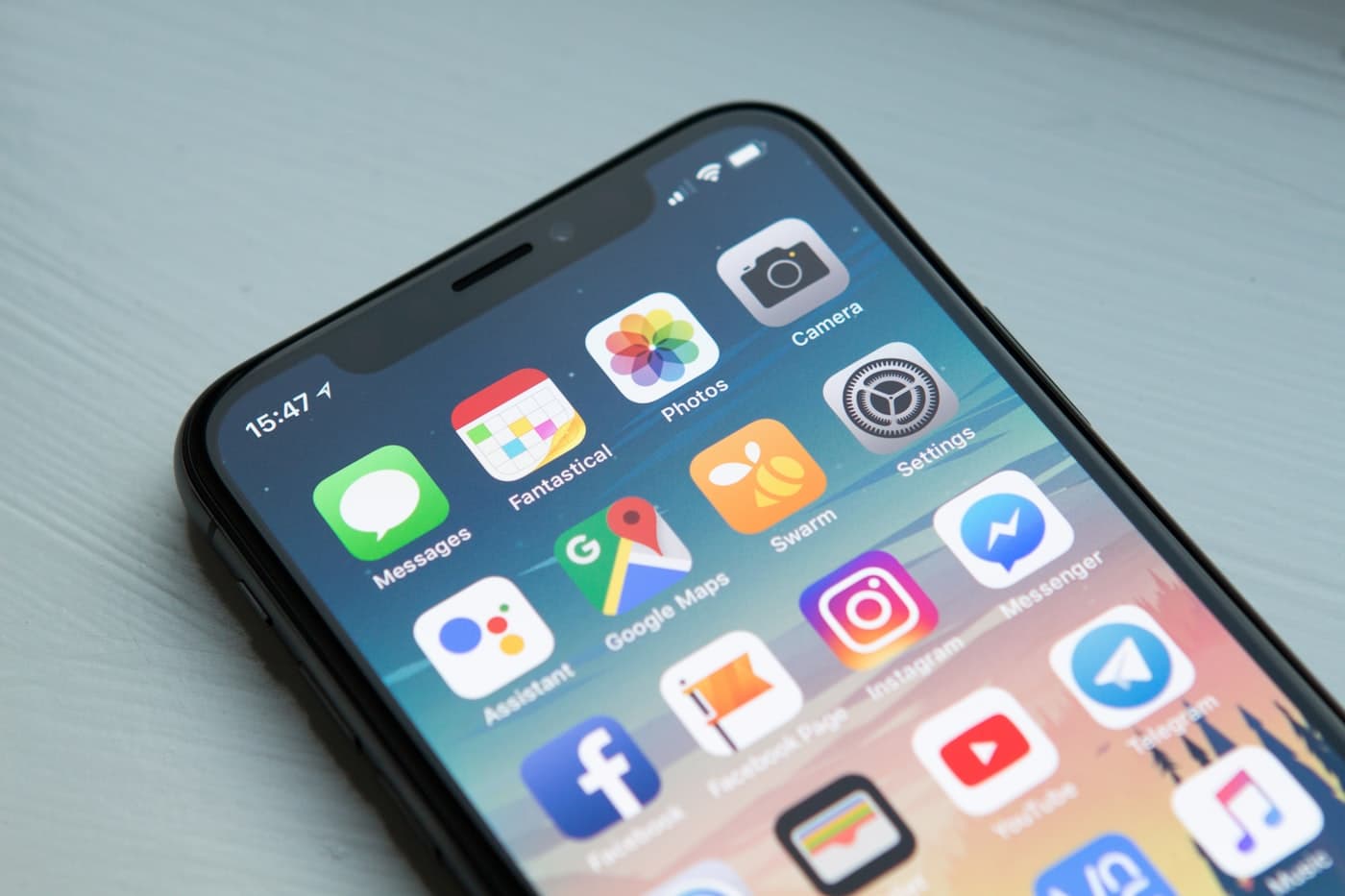
The honest position in 2026 is that React Native handles the majority of applications well, and the interesting question is no longer "which one" but "where is the boundary".
What cross-platform does well now
The New Architecture removed most of the performance objections that were fair five years ago. Bridgeless communication and a synchronous layout system mean list scrolling, navigation transitions and gesture handling are indistinguishable from native in ordinary use.
For an app that is mostly screens over an API — the majority of business software — one codebase and one team is a large, ongoing saving.
Where native still wins
Heavy platform integration. Widgets, live activities, complex background work, deep hardware access. You can bridge to all of it, but if a large share of the app is that work, you are writing native code with extra steps.
Sustained graphics or media work. Real-time camera processing, custom video pipelines, anything holding sixty frames per second under load.
Platform-defining interactions. When the app's identity is that it feels exactly like the platform, native gives you that for free.
How we decide
We look at the feature list and count what would need a native module. Under roughly a fifth, React Native with targeted Kotlin and Swift where required. Above that, native from the start — because a cross-platform app that is half native modules has the costs of both approaches and the benefits of neither.
- react-native
- kotlin
- swift